

Heel Spur vs Plantar Fasciitis in Bridgewater, NJ
That sharp, stabbing pain in your heel when you step out of bed is one of the most common foot complaints we hear at PS Foot and Ankle in Bridgewater, NJ. Many patients arrive convinced they have a heel spur, while others assume plantar fasciitis is the culprit. The truth is these two conditions are easy to confuse, often overlap, and require different approaches to feel better. Understanding the difference between heel spur vs plantar fasciitis can help you take meaningful steps toward relief and know when to consult a podiatry practice provider.
Two Common Culprits Behind Bridgewater Heel Pain
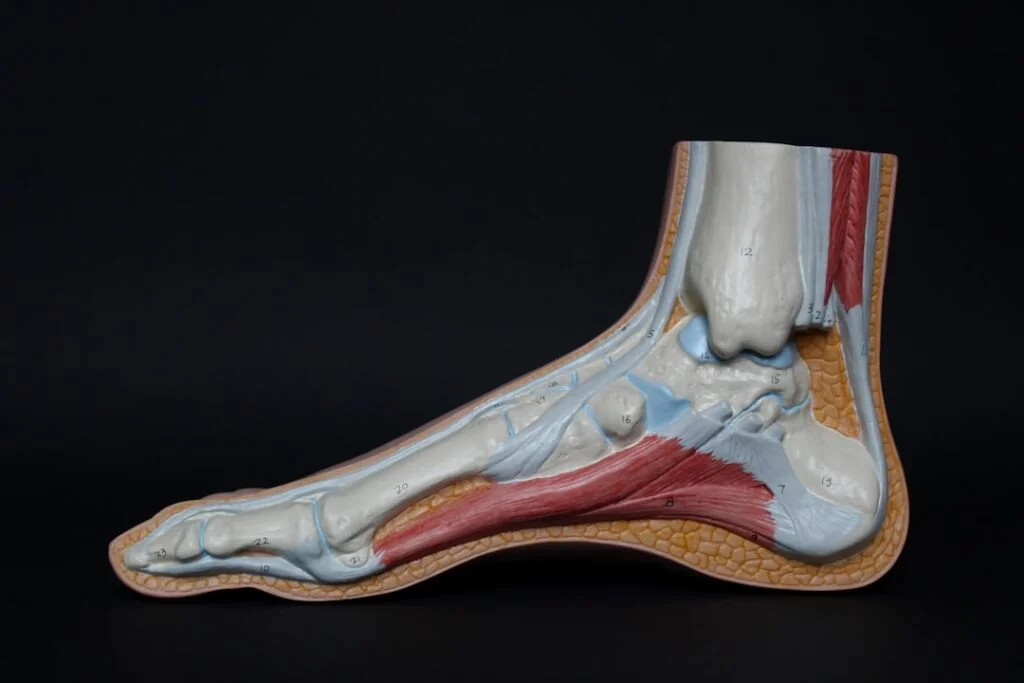
Heel spurs and plantar fasciitis are the two most frequent sources of heel pain in adults, and they often appear together. A heel spur is a bony outgrowth on the calcaneus, while plantar fasciitis is inflammation of the connective tissue along the bottom of the foot. At PS Foot and Ankle in Bridgewater, NJ, our team helps patients identify which condition is driving symptoms so treatment is targeted, not guesswork.
Why These Two Conditions Get Mixed Up
Both conditions cause pain in the same general area: the underside of the heel. Imaging often reveals a heel spur on someone with plantar fasciitis, leading to the assumption that the spur is the troublemaker. Research suggests, however, that the spur itself is often a silent finding, and the surrounding inflamed fascia is the actual pain source. Knowing what causes heel pain in Bridgewater patients helps avoid misdirected care.
How Heel Pain Affects Daily Life
Heel pain can disrupt morning walks at Duke Island Park, weekend trail runs along the Raritan River, or simple errands around the township. Many patients describe limping during the first steps of the day and avoiding activities they once enjoyed. Untreated heel pain may also lead to compensation injuries in the knees, hips, or lower back as the body shifts weight to avoid discomfort.
What Is a Heel Spur? Symptoms and Causes
A heel spur is a calcium deposit that forms a small bony protrusion on the underside of the heel bone, or calcaneus. These growths develop gradually as the body responds to repeated stress on tendons and ligaments. According to the Mayo Clinic, many heel spurs cause no symptoms and are discovered only when X-rays are taken for other reasons.
Common Heel Spur Symptoms
When a heel spur does cause discomfort, common heel spur symptoms to look out for include:
- Reproducable pain when you flex the toes upward to stretch the plantar fascia
- Uneven gait and weight distribution when you walk
- Tightness of the calf muscles or limited ankle motion
- Swelling, redness, or visible deformity of both feet
When Imaging Is Necessary
Imaging is not always required. X-rays may be ordered to rule out fractures or confirm a heel spur, while ultrasound or MRI can show a thickened or torn plantar fascia. Your provider will recommend imaging only when the findings would change your treatment plan.
Treatment Approaches: What Works for Each
Treatment for both conditions starts with reducing strain on the heel, and the two share many of the same approaches. Advanced procedures are typically reserved for cases that have not responded to weeks or months of conservative care.
Most heel pain, whether driven by a spur or plantar fasciitis, improves within several months of conservative care without surgery.
Conservative Care Options
Common first-line approaches include:
- Daily stretching, including 5 plantar fasciitis exercises at home that target the arch and calf
- Supportive footwear with cushioned heels and firm arch support
- Custom orthotics for foot pain that redistribute pressure away from the heel
- Icing the heel for 15 to 20 minutes after activity
- Activity modification and reduced running mileage
- Night splints to keep the fascia gently stretched during sleep
Discuss any new treatment plan with your doctor before starting it.
Which Is Right for You? Getting the Correct Diagnosis
Most heel pain improves with rest, supportive shoes, and stretching within a few weeks. If symptoms persist, worsen, or interfere with daily activities, a professional evaluation is the next step. Patients across Somerset, Hunterdon, and Middlesex counties rely Dr. Sanjna Sanghvi at PS Foot and Ankle for accurate diagnosis and care.
Signs You Need a Professional Evaluation
Consider scheduling a visit if you notice:
- Heel pain lasting longer than two to three weeks
- Pain that interrupts sleep or limits walking
- Swelling, redness, or warmth around the heel
- Numbness or tingling in the foot
- A history of diabetes or circulation issues with new heel pain
What to Expect at Your First Visit
Your first appointment at PS Foot and Ankle typically includes a full history, a hands-on exam, gait observation, and a personalized treatment plan. Imaging is ordered only if needed. Many patients leave with a clear diagnosis and conservative care steps the same day, helping them return to the activities they love.
Sources
- Mayo Clinic, Heel and Foot Pain Resources
- Cleveland Clinic, Plantar Fasciitis Overview
Heel pain rarely resolves on its own when daily walking, work, and exercise keep aggravating it. The Dr. Sanghvi and the team at PS Foot and Ankle in Bridgewater, NJ has experience pinpointing whether a heel spur, plantar fasciitis, or both are driving your symptoms, and tailoring care to your goals.
Frequently Asked Questions
What is the main difference between a heel spur and plantar fasciitis?
A heel spur is a bony outgrowth that forms on the calcaneus (heel bone), while plantar fasciitis is inflammation of the connective tissue running along the bottom of the foot. Research suggests the spur itself is often painless, and the surrounding inflamed fascia is typically the actual source of discomfort patients feel.
Can you have a heel spur without plantar fasciitis pain?
Yes, many people have heel spurs visible on imaging without experiencing any pain at all. Studies suggest spurs are often incidental findings unrelated to symptoms. When pain is present, the inflamed plantar fascia is usually the culprit. A podiatrist can help determine whether the spur or fascia is driving your discomfort.
Why does my heel hurt the most when I take my first steps in the morning?
Morning heel pain typically points to plantar fasciitis. Overnight, the plantar fascia tightens while you rest, and those first steps suddenly stretch the inflamed tissue, causing sharp, stabbing pain. The discomfort often eases as you walk and the fascia warms up. If symptoms persist, consult a podiatry provider for evaluation.
How can I tell if my pain is from a heel spur or plantar fasciitis?
Distinguishing between these conditions usually requires a clinical exam and possibly imaging. Plantar fasciitis tends to cause sharp pain near the inner heel that worsens after rest, while heel spurs may cause focal tenderness. Because they often coexist, talk to your doctor for an accurate diagnosis and targeted treatment plan.
What are common treatments for heel pain caused by plantar fasciitis?
Common conservative treatments include stretching exercises, supportive footwear, custom orthotics, ice, and activity modification. Research suggests most patients improve with these measures within several months. Persistent cases may benefit from physical therapy, night splints, or in-office procedures. A podiatrist can recommend an appropriate plan based on the severity of your symptoms.
When should I see a doctor for heel pain?
Consider seeing a podiatrist if heel pain lasts longer than two weeks, interferes with daily activities, or worsens despite rest and home care. Persistent pain may signal plantar fasciitis, a heel spur, or another condition that benefits from professional evaluation. Early treatment may help prevent compensation injuries in the knees, hips, or back.
Can untreated heel pain cause problems elsewhere in the body?
Yes, untreated heel pain may lead to compensation injuries because the body naturally shifts weight to avoid discomfort. Patients often develop pain in the knees, hips, or lower back as gait patterns change. Addressing heel pain early with proper diagnosis and care may help reduce the risk of these secondary issues developing.