

Plantar fasciitis is one of the most common causes of heel pain, affecting roughly two million Americans each year according to the Mayo Clinic. If you are dealing with that sharp, stabbing pain in the bottom of your foot, you are probably wondering how long it will take to feel normal again. At PS Foot and Ankle in Bridgewater, NJ, Dr. Sanjna Sanghvi help patients navigate the plantar fasciitis healing timeline every day. The answer depends on several factors, but understanding the typical recovery arc can help you set realistic expectations and take the right steps toward relief.

What Is Plantar Fasciitis?

Plantar fasciitis involves inflammation of the plantar fascia, a thick band of tissue that runs along the bottom of the foot and connects the heel bone to the toes. This ligament acts as a shock absorber, supporting the arch with every step. When repeated stress causes tiny tears in the tissue, pain and stiffness can develop, particularly near the heel.

Common risk factors include:

  • Age between 40 and 60
  • Occupations that require prolonged standing or walking
  • High-impact activities such as running or jumping
  • Flat feet, high arches, or abnormal gait patterns
  • Excess body weight, which increases load on the plantar fascia

Understanding these risk factors is the first step in recognizing why plantar fasciitis recovery time varies so widely from person to person. Dr. Sanghvi can help identify which factors are most relevant to your situation.
The Typical Plantar Fasciitis Healing Timeline

Most cases of plantar fasciitis resolve with conservative treatment, though the timeline can range from a few weeks to well over a year. The severity of the condition at the time of diagnosis plays the biggest role in determining how long recovery takes. Patients across the Bridgewater area and Somerset County often ask our team at PS Foot and Ankle what to expect, and here is a general breakdown.

Mild Cases: 6 to 8 Weeks

When caught early and addressed promptly, mild plantar fasciitis may improve within six to eight weeks. These cases typically involve intermittent heel pain that responds well to rest, icing, and supportive footwear. Patients who modify their activity level quickly tend to see the fastest improvement.

Moderate Cases: 3 to 6 Months

Moderate cases, where pain is consistent and interferes with daily activities, often require three to six months of structured treatment. This may include physical therapy, orthotic support, and targeted stretching routines. Consistency with the treatment plan is essential during this phase.

Chronic or Severe Cases: 6 to 18 Months

Chronic plantar fasciitis, typically defined as symptoms lasting beyond six months, may take 12 to 18 months to fully resolve. However, more than 90% of patients improve with nonsurgical treatments, though severe cases sometimes require advanced interventions.

Key takeaway: The earlier you begin treatment, the shorter your plantar fasciitis recovery time is likely to be. Delaying care often allows the condition to progress from mild to chronic. Dr. Sanghvi is here to help.

Factors That Influence Your Recovery Time

Several variables determine how quickly plantar fasciitis heals. Understanding these factors can help you and your provider develop a more effective treatment strategy.

Lifestyle and Activity Level

Patients who remain highly active without modifying their routine often experience longer recovery periods. Running on hard surfaces, standing for extended shifts, or participating in high-impact sports can continually aggravate the plantar fascia. Conversely, those who balance rest with gentle, low-impact movement such as swimming or cycling tend to recover more efficiently.

Footwear and Biomechanics

Worn-out shoes, flat sandals, and unsupportive footwear are among the most common contributors to prolonged heel pain. Structural issues like overpronation or high arches place additional stress on the plantar fascia. A biomechanical assessment from a podiatry specialist can identify these issues and guide corrective measures.

How Early You Start Treatment

This is perhaps the single most important factor. Patients who seek care within the first few weeks of symptoms typically fall into the mild recovery category. Those who push through the pain for months before addressing it often find themselves dealing with a much longer plantar fasciitis healing timeline.

How to Treat Plantar Fasciitis at Home

Many patients find relief through consistent at-home care, particularly in the early stages. These strategies may support healing when combined with professional guidance from your provider.

Rest, Ice, and Anti-Inflammatories

Reducing activity and applying ice to the heel for 15 to 20 minutes several times daily may help manage inflammation. Over-the-counter anti-inflammatory options are commonly used, though your doctor can advise on what is appropriate for your health history. Complete rest is rarely necessary, but activity modification is important.

Supportive Footwear and Orthotics

Switching to shoes with proper arch support and cushioned soles is one of the simplest changes patients can make. Over-the-counter orthotic inserts may provide additional relief for mild cases. For more persistent symptoms, a provider may recommend custom orthotics tailored to your foot structure.

Night Splints and Taping Techniques

Night splints hold the foot in a dorsiflexed position during sleep, gently stretching the plantar fascia and Achilles tendon overnight. Many patients report less morning pain after consistent use. Athletic taping techniques can also provide temporary arch support during the day. Come see Dr. Sanghvi at PS Foot and Ankle to determine which approach may work best for your needs.

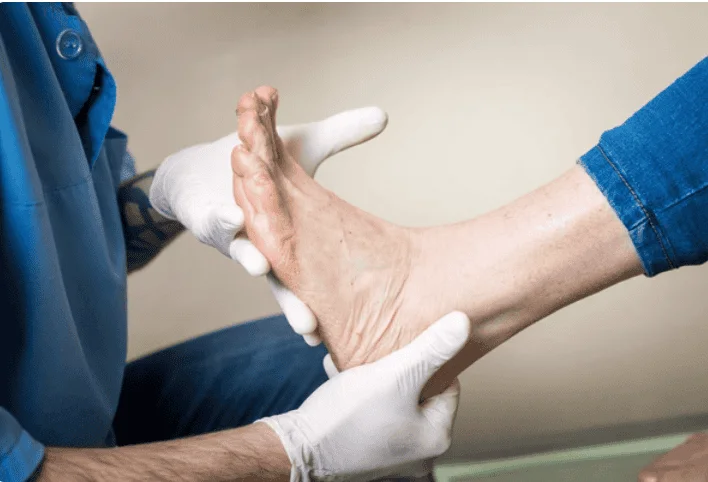
doctor giving a foot evaluation for orthotics in bridgewater nj

Professional Treatments That Speed Recovery

When home care is not enough, professional interventions can significantly shorten recovery time. Our office in Bridgewater, NJ offers several evidence-based options for patients dealing with persistent plantar fasciitis. Dr. Sanghvi can help you on your healing journey.

Custom Orthotics and Physical Therapy

A structured physical therapy program focused on calf stretches, plantar fascia mobilization, and strengthening exercises may accelerate healing. Many patients benefit from custom orthotics for foot pain, which are molded to address the specific biomechanical issues contributing to the condition. These devices redistribute pressure across the foot and provide targeted arch support.

Why Your Plantar Fasciitis Is Not Going Away

If your plantar fasciitis is not going away despite weeks or months of effort, several common issues could be interfering with your recovery. Returning to full activity too quickly is one of the most frequent mistakes. The pain may subside temporarily, leading patients to resume running, hiking, or standing for long periods before the tissue has fully healed.

Other reasons healing may stall include:

  • Continuing to wear unsupportive shoes throughout the day
  • Inconsistent stretching or skipping physical therapy sessions
  • Underlying biomechanical problems that have not been addressed
  • A possible misdiagnosis, since conditions like heel spurs or nerve entrapment can mimic plantar fasciitis symptoms

Understanding what causes heel pain is important because the source of discomfort is not always the plantar fascia itself. A thorough evaluation can rule out other conditions and ensure your treatment plan targets the actual problem.

When to Seek Help

If heel pain persists beyond two to three weeks of home care, or if it worsens despite your efforts, it may be time for a professional evaluation. Knowing when to see a podiatrist can make the difference between a six-week recovery and a year-long struggle. Warning signs that professional care is needed include pain that limits your ability to walk, swelling around the heel, or numbness and tingling in the foot.

Symptom Recommended Action
Mild morning heel pain, recent onset Begin home care: rest, ice, supportive shoes
Pain lasting more than 2 to 3 weeks Schedule an evaluation with our podiatrist
Pain that limits walking or daily activities Seek prompt professional assessment
Numbness, tingling, or swelling in the foot See a provider to rule out other conditions

At PS Foot and Ankle in Bridgewater, NJ, our team works with patients from all over New Jersey to develop personalized plantar fasciitis treatment plans. Whether your symptoms started last week or have lingered for months, early professional guidance can help put you on a shorter path to recovery.

Do not let heel pain keep you from the activities you enjoy. Take the first step toward healthier feet by scheduling a consultation with our experienced podiatrist, Dr. Sanghvi.

Sources

  1. Mayo Clinic: Plantar Fasciitis
  2. American Academy of Orthopaedic Surgeons: Plantar Fasciitis and Bone Spurs

Frequently Asked Questions

How long does plantar fasciitis take to heal completely?

Most cases of plantar fasciitis resolve within six to twelve months with consistent conservative treatment. Mild cases caught early may improve in six to eight weeks, while more severe or chronic cases can take longer. Factors like activity level, body weight, and treatment adherence all influence your individual recovery timeline.

What is the fastest way to recover from plantar fasciitis?

Early intervention with rest, ice, stretching, and supportive footwear may accelerate recovery. Dr. Sanghvi recommends a combination of calf and plantar fascia stretches, orthotic inserts, and activity modification. Starting treatment at the first sign of heel pain rather than pushing through discomfort can help shorten the overall healing timeline significantly.

Can plantar fasciitis heal on its own without treatment?

Some mild cases may gradually improve without formal treatment, but ignoring symptoms often leads to a longer recovery or chronic pain. Untreated plantar fasciitis can also cause compensatory issues in the knees, hips, or back. Consulting a podiatrist early helps ensure proper management and may prevent the condition from worsening over time.

Why is my plantar fasciitis not healing after several months?

Persistent plantar fasciitis may result from continued overuse, inadequate stretching, unsupportive footwear, or underlying biomechanical issues like flat feet or high arches. Excess body weight and occupations requiring prolonged standing can also delay recovery. Talk to your doctor if symptoms persist beyond two to three months, as advanced treatments like physical therapy or injections may be recommended.

Does plantar fasciitis require surgery?

Surgery is rarely needed and is typically considered only after six to twelve months of conservative treatment has failed to provide relief. Most patients respond well to nonsurgical approaches including stretching, orthotics, physical therapy, and corticosteroid injections. Dr. Sanghvi can help determine whether surgical intervention may be appropriate for your specific situation.

What does a podiatrist do on your first visit for heel pain?

A podiatrist typically reviews your medical history, examines your foot structure and gait, and pinpoints the source of pain through physical assessment. Imaging such as X-rays may be used to rule out stress fractures or heel spurs. We have an X-ray machine on site at PS Foot and Ankle. Based on findings, the podiatrist will recommend a personalized treatment plan tailored to your condition and lifestyle.

Can I still exercise with plantar fasciitis?

Low-impact activities like swimming, cycling, or yoga are generally safe and may support recovery without aggravating the plantar fascia. High-impact exercises such as running or jumping should be reduced or temporarily avoided. Your podiatrist can help design a modified exercise plan that keeps you active while allowing the inflamed tissue time to heal.


Call PS Foot & Ankle 732-443-3975