What Causes Bunions? Bridgewater NJ Foot Guide
If you have noticed a bony bump slowly forming at the base of your big toe, you are not alone. Bunions are among the most common foot concerns we see at PS Foot and Ankle in Bridgewater, NJ. Many people assume tight shoes tell the whole story, but the question of what causes bunions has a more layered answer. Understanding why bunions form, the real bunion risk factors, and the practical side of bunion causes and prevention can help you protect your foot health for years to come.
What Is a Bunion, Exactly?
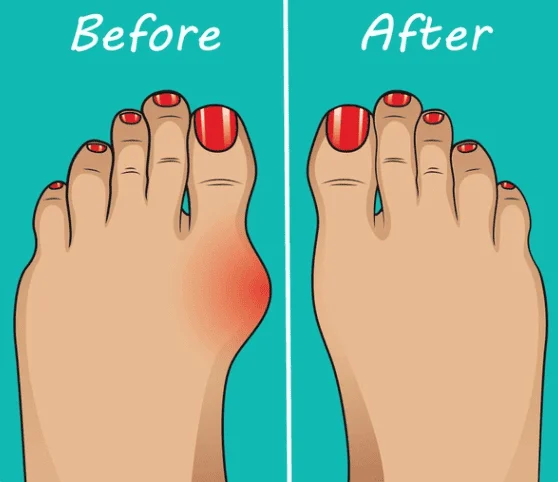
A bunion is a progressive bony deformity at the base of the big toe, not just a soft bump that appears overnight. It develops when the joint connecting the big toe to the foot gradually drifts out of alignment. At PS Foot and Ankle in Bridgewater, we view a bunion as a joint and bone change rather than simple swelling.
The Anatomy Behind the Bump
The big toe joint, called the first metatarsophalangeal joint, normally keeps the toe pointing straight ahead. As a bunion develops, the long bone behind the big toe angles outward while the toe leans inward toward its neighbors. The visible bump is displaced bone and joint, often with thickened tissue. Recognizing this structural shift matters, because it is exactly when foot pain becomes more than a bump and deserves professional evaluation.
Bunions vs. Bunionettes and Other Foot Bumps
Not every lump on the foot is a bunion. A podiatrist such as Dr. Sanjna Sanghvi can tell these apart through a physical exam and imaging, which guides the right approach.
| Type | Location | Common Trait |
|---|---|---|
| Bunion | Base of big toe | Toe angles inward |
| Bunionette | Base of little toe | Bump on outer edge |
| Bone spur or cyst | Varies | Often firm or fluid-filled |
Don’t let foot problems slow you down. Schedule a consultation with our experienced Bridgewater podiatrists today.
What Causes Bunions: The Real Mechanism
Bunions form through a predictable chain reaction: when the big toe joint repeatedly takes force at the wrong angle, the bones quietly reorganize around that stress. According to Cleveland Clinic, this misalignment builds over years rather than weeks, which is why most people never catch the moment it begins.
How Faulty Foot Mechanics Drive Misalignment
The trouble usually starts with how the foot rolls. When the arch collapses inward (pronation), the long bone behind the big toe drifts toward the center of the foot while the toe itself leans the opposite way, past its normal alignment of roughly 15 degrees. As that angle widens, the two small sesamoid bones that should sit beneath the joint slide off to the side, leaving the joint unsupported and even less stable with each step.
Why Bunions Get Worse Over Time
Once the toe starts leaning, the tendons that should pull it straight now run along the outside of the joint and behave like a bowstring, tugging the toe further out of line every time you push off. That turns a small drift into a self-reinforcing loop, which is why bunions rarely stay put and the bump tends to grow firmer over months and years. Early professional input may help slow that progression.
Genetics and Inherited Foot Structure
The strongest known driver of bunions is inherited foot structure, including foot shape, arch type, and joint laxity. This is why bunions often run in families even among people who never wore tight shoes.
Flat Feet, Low Arches, and Joint Laxity
Flat feet and low arches change how force travels through the foot, often loading the big toe joint more heavily. Loose, flexible joints add instability that lets the toe drift more easily. At PS Foot and Ankle, our team often sees these traits cluster within families.
What You Can and Can’t Change
You cannot change the foot structure you inherited, but you can influence how much it progresses. Supportive choices and early evaluation give you meaningful control over the factors that are within reach.
Footwear and Daily Habits That Add Up
Footwear rarely creates a bunion on its own, but narrow, pointed, or high-heeled shoes can accelerate an existing predisposition. The Mayo Clinic notes that footwear is best understood as an aggravator layered on top of foot structure.
The Problem With Narrow Toe Boxes
Shoes that squeeze the toes together push the big toe toward the others and concentrate pressure on the joint. Worn day after day, that crowding can speed the misalignment already underway. Roomier toe boxes ease that pressure.
Standing, Walking, and High-Impact Activity
Long hours on your feet and high-impact activity add repetitive load to the forefoot, which can compound a structural tendency. For active residents across Somerset and Hunterdon counties, supportive footwear and custom orthotics for foot pain may help redistribute pressure more evenly. Ask your provider whether they fit your needs.

Bunion Risk Factors Most People Overlook
Beyond shoes and genetics, several under-recognized factors quietly raise bunion risk. These often surprise patients because they have little to do with everyday shoe choices.
Hormonal and Pregnancy-Related Changes
Pregnancy hormones can loosen ligaments throughout the body, including the feet, which may allow joints to shift more easily. Combined with added weight, this can reveal or worsen a tendency toward bunions.
Old Injuries and Uneven Gait
A previous foot injury or an uneven walking pattern can change how force loads the big toe joint for years afterward. A leg-length difference can have a similar effect, quietly steering pressure to one side.
Occupation and Repetitive Foot Strain
Jobs that demand prolonged standing, walking, or repetitive forefoot strain add cumulative stress. Common overlooked contributors include:
- Hypermobility and loose connective tissue
- Leg-length differences
- Repetitive occupational standing
Health Conditions Linked to Bunion Formation
Certain systemic health conditions raise the likelihood of bunions by affecting the joints directly. In some cases, a bunion can signal a broader issue worth discussing with your doctor.
Inflammatory Arthritis and Joint Disease
Inflammatory conditions such as rheumatoid arthritis and gout can damage the big toe joint, making misalignment more likely. Some neuromuscular disorders that affect muscle balance may contribute as well.
When a Bunion Is a Warning Sign
A bunion that appears alongside joint pain, redness, or swelling in multiple joints may reflect an underlying inflammatory process, so it is worth having a provider evaluate the full picture.
This is why Dr. Sanghvi and our Bridgewater team looks beyond the bump during an exam.
Can You Prevent Bunions? Practical Steps
You cannot guarantee prevention, especially with a strong genetic tendency, but evidence-informed habits may slow progression. Smart footwear, foot strengthening, and early evaluation form the core of bunion causes and prevention.
Smart Footwear and Supportive Choices
Try a simple test at home: trace your bare foot on paper, then set your shoe on top. If the shoe is narrower than the outline, it is crowding your toes. Aim for a toe box wide enough to wiggle all five toes, keep heels under two inches for daily wear, and add a supportive insole if your arch flattens. These changes will not reverse existing structure, but many patients find they ease pressure on the joint.
Foot Strengthening and Early Evaluation in Bridgewater
A few targeted moves can help support the joint: spread your toes apart and hold for 10 seconds, scrunch a towel toward you with your toes for two or three sets, and gently guide the big toe back toward alignment with your hand. Pairing these with early professional evaluation lets you track changes before they advance. When conservative care is not enough, options such as a minimally invasive bunion procedure are sometimes considered and are often described as less disruptive than traditional surgery. Talk with your provider about which path fits you.
Understanding what causes bunions is the first step toward protecting your feet, and you do not have to sort it out alone. The team at PS Foot and Ankle in Bridgewater, NJ can evaluate your foot structure, identify your personal risk factors, and build a plan suited to your goals. Don’t let foot problems slow you down.
Sources
- Cleveland Clinic: Bunions
- Mayo Clinic: Bunions
Frequently Asked Questions
What causes bunions to form in the first place?
Bunions form when the big toe joint repeatedly takes force at the wrong angle, gradually pushing the long bone outward while the toe leans inward. Over time this misalignment becomes a progressive bony deformity. Genetics, foot structure, and footwear may all contribute, so talk to your doctor about your specific risk factors.
Are bunions caused only by tight or narrow shoes?
No, tight shoes are not the whole story. While narrow footwear may worsen or speed up a bunion, research suggests inherited foot structure and faulty joint mechanics are often the underlying drivers. Shoes may aggravate an existing tendency rather than create one, which is why bunion prevention involves more than footwear changes.
What bunion risk factors do most people overlook?
Many people overlook inherited foot shape, flat feet, loose ligaments, and abnormal walking mechanics as key bunion risk factors. Conditions like arthritis and certain occupations that stress the feet may also contribute. Because these factors are easy to miss, a podiatry evaluation can help identify what is driving your bunion.
How is a bunion different from a bunionette or bone spur?
A bunion forms at the base of the big toe, which angles inward, while a bunionette appears at the base of the little toe on the foot’s outer edge. Bone spurs or cysts can develop anywhere and often feel firm or fluid-filled. A provider distinguishes them through exam and imaging.
Can bunions be prevented or stopped from getting worse?
Bunions cannot always be fully prevented, especially when genetics play a role, but progression may be slowed. Supportive footwear, proper-fitting shoes, foot strengthening, and early evaluation may help protect the joint. Because bunions are progressive, talk to your doctor early if you notice a bump or alignment change.
When should I see a foot doctor such as Dr. Sanghvi about a bunion?
You should see a foot doctor like Dr. Sanjna Sanghvi when the bump becomes painful, the toe alignment visibly shifts, or it interferes with walking or shoes. Early professional evaluation matters because a bunion is a structural joint change, not simple swelling. A podiatrist can use exam and imaging to guide the right approach.